The Role of Home Air Flow in Avoiding Mold and Indoor Allergens
Home ventilation is a critical component in preserving a healthy and balanced indoor atmosphere. It manages moisture degrees, which can stop the development of mold and the accumulation of allergens. Lots of property owners forget the importance of appropriate air flow, usually causing unseen problems. Understanding just how air flow systems feature and their impact on air top quality might be the secret to a healthier living area. What steps can be taken to boost these systems successfully?
Recognizing Home Air Flow Solutions
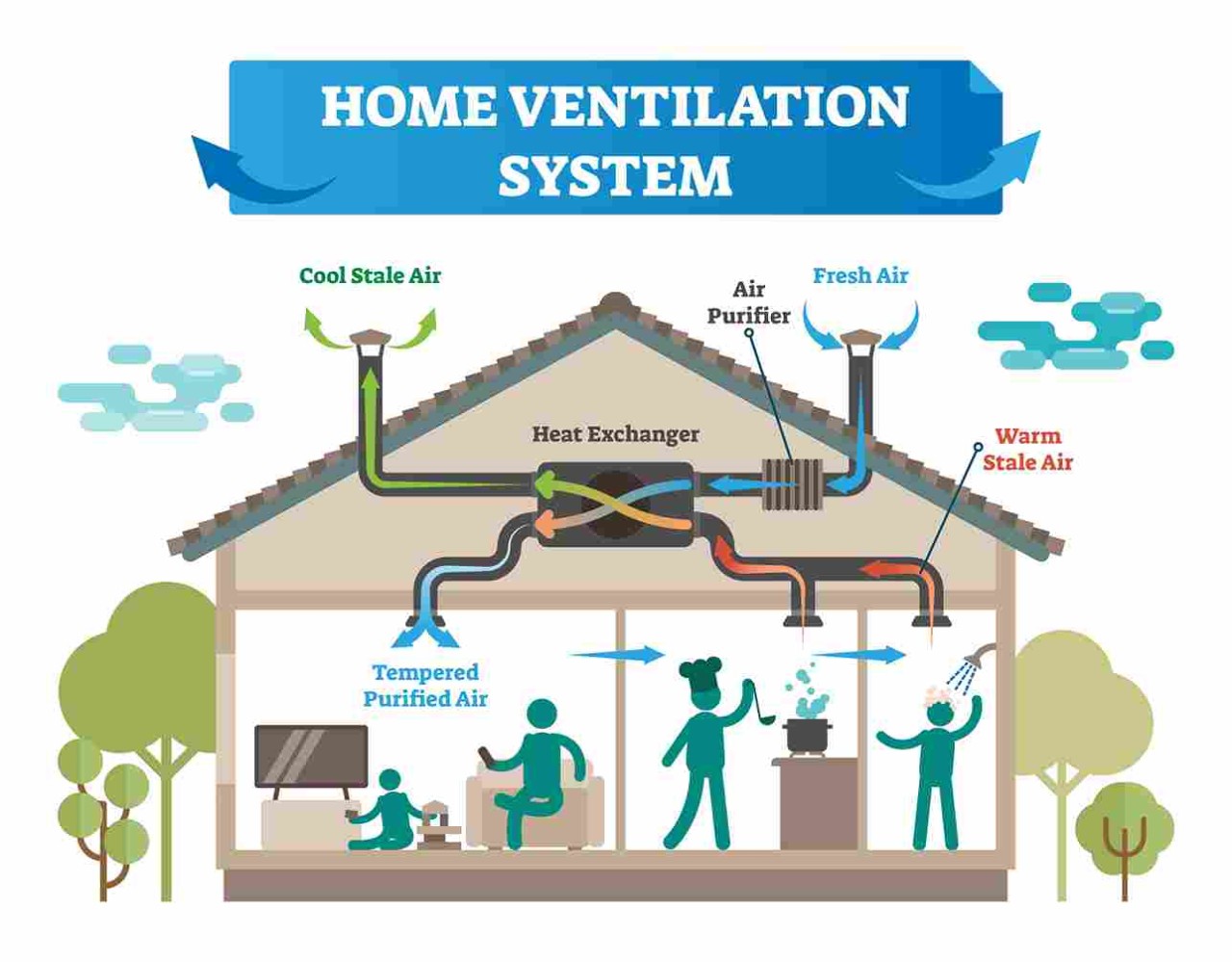
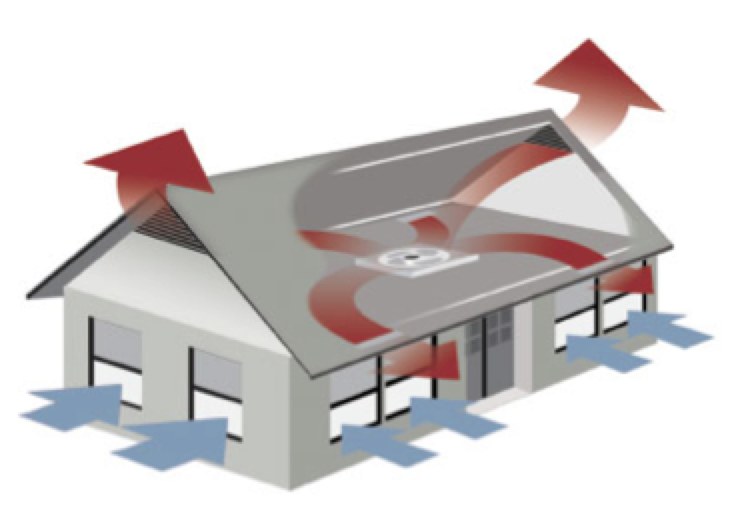
While lots of homeowners might overlook the significance of air flow, comprehending home air flow systems is important for maintaining interior air quality and preventing mold and mildew growth - Home Ventilation Melbourne. These systems facilitate the exchange of stale interior air with fresh exterior air, successfully decreasing pollutants and moisture levels. Typical kinds consist of all-natural ventilation, which counts on wind and temperature level differences, and mechanical ventilation, which uses followers and air ducts to regulate airflow. Additionally, well balanced ventilation systems integrate both techniques to enhance air high quality. Appropriately developed and kept air flow systems can help regulate temperature level and moisture, guaranteeing a comfy living setting. Homeowners must consider factors like home design, environment, and tenancy when selecting a ventilation system to finest fit their demands and improve general air quality
The Impact of Moisture on Mold Growth
Moisture plays an important role in mold growth, making it a critical variable for homeowners to check. Mold and mildew grows in settings where moisture levels surpass 60%, as these problems offer the moisture essential for spores to proliferate and germinate. High humidity can arise from numerous resources, consisting of bad air flow, water leakages, and cooking or showering activities. When humidity degrees remain elevated, mold can establish quickly on organic materials such as wood, fabric, and drywall. House owners should make use of dehumidifiers and guarantee appropriate ventilation in locations vulnerable to wetness, such as basements and washrooms. Maintaining interior moisture between 30% and 50% can substantially lower the threat of mold and mildew growth, contributing to a healthier living atmosphere.
Recognizing Common Indoor Allergens
Interior environments can harbor a variety of allergens that influence health and comfort. Common indoor irritants include allergen, pet dander, mold and mildew spores, and pollen. Dirt mites prosper in bedding, rugs, and furniture, eating organic product and adding to respiratory problems. Pet dog dander, made up of small flakes from skin and hair, can set off sensitive responses in delicate people. Mold spores, frequently existing in damp locations, can affect and proliferate air top quality. Additionally, pollen can infiltrate homes through open windows or on clothes. Identifying these irritants is crucial for maintaining a healthy interior environment. Recognition of their existence allows home owners to take aggressive actions to minimize exposure and boost overall interior air top quality.
Benefits of Correct Ventilation
Appropriate ventilation is necessary for keeping a healthy indoor setting, as it assists to control air high quality and lower the accumulation of contaminants. Sufficient airflow assists in the exchange of indoor and exterior air, therefore thinning down unsafe materials such as volatile organic compounds, irritants, and dirt. This process not only boosts convenience but see post also contributes to the overall well-being of residents by reducing respiratory issues (Home Ventilation Melbourne). Correct ventilation efficiently regulates humidity degrees, lowering the chance of mold growth and cultivating a drier setting favorable to health and wellness. Furthermore, it can improve power efficiency by guaranteeing that heating & cooling systems run better, leading to reduced energy costs. Generally, appropriate air flow is an essential element in promoting a secure and healthy living room

Tips for Improving Home Air Flow
Although lots of home owners may forget it, boosting home air flow is essential for boosting air quality and preventing mold development. One efficient approach is to frequently open windows to advertise cross-ventilation, allowing fresh air to circulate. Mounting exhaust fans in bathroom and kitchens can effectively eliminate moisture-laden air, reducing humidity degrees. House owners must also think about making use of air cleansers with HEPA filters to record pollutants and allergens. Regularly maintaining HVAC systems, consisting of changing filters, assurances come to a head air movement and performance. Securing leaks around doors and windows can protect against outside air from getting in, which aids maintain a constant interior atmosphere. Finally, integrating houseplants can naturally enhance air quality while adding visual value to the home.
Often Asked Inquiries
How Commonly Should I Clean My Home Ventilation System?
Determining just how frequently to cleanse a home air flow system relies on numerous factors, consisting of use and environmental conditions. Home Ventilation Melbourne. Generally, experts advise a comprehensive cleansing every 3 to 5 years to keep excellent airflow and performance
Can Plants Help Decrease Indoor Allergens?
Research study shows that particular interior plants may help minimize allergens by enhancing air quality and boosting moisture. Their efficiency varies, and preserving a clean atmosphere remains essential for taking care of indoor allergens effectively.
What Sorts Of Air Filters Are Best for Mold And Mildew Avoidance?
Are There Specific Air Flow Requirements for Basements?
Just how Do I Know if My Ventilation Is Functioning Efficiently?
To identify efficient air flow, one should check humidity degrees, inspect air movement through vents, and observe signs of condensation or stationary air. Normal analyses can show whether the system appropriately distributes and exchanges interior air.
Comprehending exactly how air flow systems feature and their effect on air high quality could be the trick to a healthier living see here area. While many home owners may forget the value of ventilation, understanding home air flow systems is crucial for keeping interior air top quality and protecting against mold development. Usual kinds consist of all-natural air flow, which relies on wind and temperature level differences, and mechanical ventilation, which makes use of fans and ducts to manage air movement. Proper air flow is important for preserving a healthy and balanced indoor atmosphere, as it helps to manage air high quality and decrease the buildup of toxins. Numerous home owners might forget it, boosting home ventilation is important for boosting air top quality and preventing mold and mildew growth.
Comments on “Common Indoor Pollutants and How Home Ventilation Melbourne Reduces Them”